Training an 8 Week Old Puppy First Week Home Guide
Understanding Your 8-Week-Old Puppy’s First Week Needs
Bringing home an 8-week-old puppy is exciting, but it’s important to understand what you’re working with. Your puppy is basically a furry toddler – full of potential but with very real limitations. Let me walk you through what to expect during this crucial first week.
You’re Working With a Baby Brain
At 8 weeks old, your puppy is in what we call the critical socialization period (which runs from 8-12 weeks). This is prime time for learning that the world is a safe, friendly place. However, your puppy is also incredibly vulnerable right now – both physically and emotionally.
Think of it this way: every positive experience is building confidence, but every scary moment can create lasting fear. This doesn’t mean you should wrap your puppy in bubble wrap, but it does mean being thoughtful about what you expose them to.
The Attention Span Reality Check
Here’s something many new puppy owners get wrong: they expect too much, too soon. Your 8-week-old puppy has an attention span of about 2-5 minutes. That’s it.
This means:
- Training sessions should be super short (3-5 minutes max)
- You might only get 3-4 repetitions of something before they’re done
- Multiple short sessions throughout the day work better than one long session
- If your puppy seems distracted or starts wandering off, they’re telling you they’re finished
I’ve watched countless owners get frustrated trying to practice “sit” for 15 minutes straight. Don’t be that person. Short and sweet wins every time.
Sleep Isn’t Optional – It’s Essential
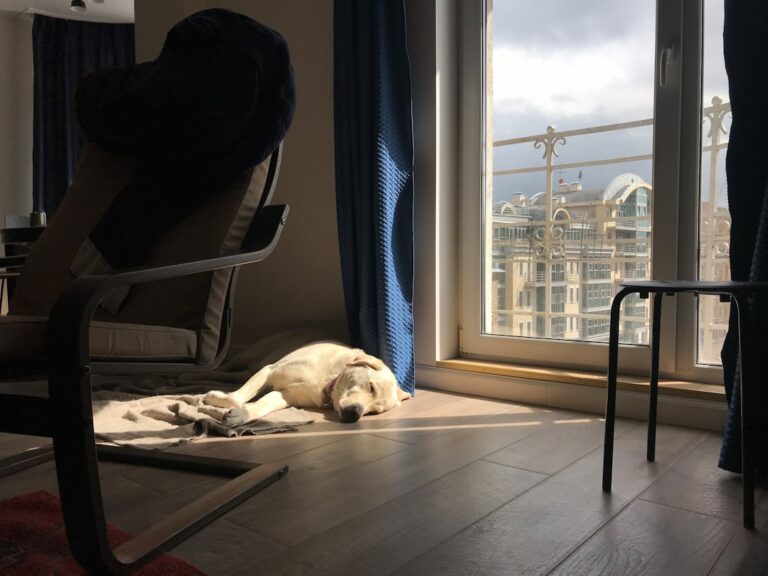
Your puppy needs 18-20 hours of sleep per day. Yes, you read that right. When people tell me their puppy is going crazy – biting, zooming around, ignoring everything – my first question is always: “How much sleep are they getting?”
An overtired puppy is like an overtired toddler. They don’t just lie down and rest. Instead, they get MORE wound up, MORE bitey, and LESS able to learn anything.
During the first week, I recommend enforced nap times. After every hour of activity, your puppy should go into their crate or quiet space for a nap. This isn’t punishment – it’s setting them up for success.
Bathroom Breaks: Set Realistic Expectations
At 8 weeks, your puppy can typically hold their bladder for 2-3 hours maximum during the day. At night, it might be even less – especially right after coming home.
Do the math: if your puppy is awake for 4-6 hours total during the day (spread out), you’re looking at bathroom breaks every 1-2 hours while they’re active. After sleeping, eating, drinking, or playing? Straight outside.
I tell owners to expect at least one nighttime potty break, sometimes two, during this first week. It’s temporary, I promise.
Your Real Goals This Week
Forget about teaching perfect obedience commands. Your first-week priorities should be:
1. Bonding – Building trust and connection
2. Establishing routine – Consistent schedule for eating, sleeping, and potty breaks
3. Preventing bad habits – Puppy-proofing and managing the environment
4. Gentle socialization – Positive exposure to household sounds, gentle handling, and calm experiences
Keep these realistic expectations in mind, and you’ll set both yourself and your puppy up for success.