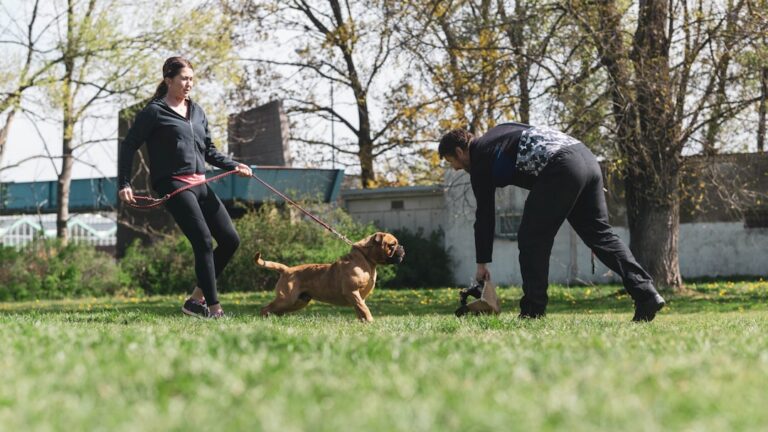
Dog Agility Training for Beginners at Home – Easy Guide
Understanding Dog Agility Training: What It Is and Why Start at Home
Dog agility training is a fast-paced sport where dogs navigate obstacle courses filled with jumps, tunnels, weave poles, and contact obstacles like A-frames and seesaws. Your dog races against the clock while you guide them through the course using only your voice and body language—no treats or toys allowed during competition runs. Think of it as a dynamic dance between you and your dog, where communication and trust are everything.
The Benefits Go Beyond the Course
When I started training my first dog in agility, I expected her to get a good workout. What I didn’t expect was how much it would transform our entire relationship.
Here’s what agility training offers your dog:
- Physical fitness: Running, jumping, and climbing builds muscle tone, improves cardiovascular health, and keeps weight in check
- Mental stimulation: Learning to navigate obstacles and respond to your cues exercises your dog’s brain just as much as their body
- Confidence building: Shy or nervous dogs often blossom when they master new skills—there’s nothing like watching a fearful dog conquer their first tunnel
- Stronger bond: Working as a team creates deep trust and communication between you and your dog
Why Your Backyard Beats the Training Facility (At First)
I always recommend beginners start at home, and here’s why it works so well:
Lower stress environment: Your dog already feels safe in their own space. They can focus on learning without the distractions of other dogs, new smells, and unfamiliar people. I’ve seen countless dogs who were overwhelmed in group classes thrive when they learned the basics at home first.
Flexible scheduling: You can train in 5-10 minute sessions whenever it fits your day. Short, frequent training sessions are actually more effective than hour-long classes once a week.
Cost-effective foundation: Professional agility equipment is expensive, but you can build basic skills with homemade obstacles using household items. Once your dog understands the concepts, you can invest in proper equipment or join a facility.
Setting Realistic Expectations
Let me be straight with you: agility isn’t something your dog will master in a few weeks. Most dogs need 6-12 months to reliably navigate basic obstacles with speed and accuracy. Some dogs pick it up faster, others need more time—and that’s perfectly fine. The journey is just as rewarding as the destination.
Age Matters: When to Start
You can begin foundation skills with puppies as young as 8 weeks old. This includes basic obedience, body awareness exercises, and introducing low obstacles like tunnels and platforms.
However—and this is crucial—don’t let your dog jump until their growth plates have closed. Depending on breed size, this happens between 12-18 months of age. Small breeds mature faster (around 12 months), while large and giant breeds need the full 18 months. Jumping too early can cause permanent joint damage.
During that waiting period, you’re not wasting time. You’re building impulse control, teaching directional cues, and developing the foundation skills that make great agility dogs. When your dog is physically ready to jump, they’ll have the mental skills to excel.