How to Proof Dog Commands Around Distractions (2026 Guide)
Understanding What 'Proofing' Really Means in Dog Training
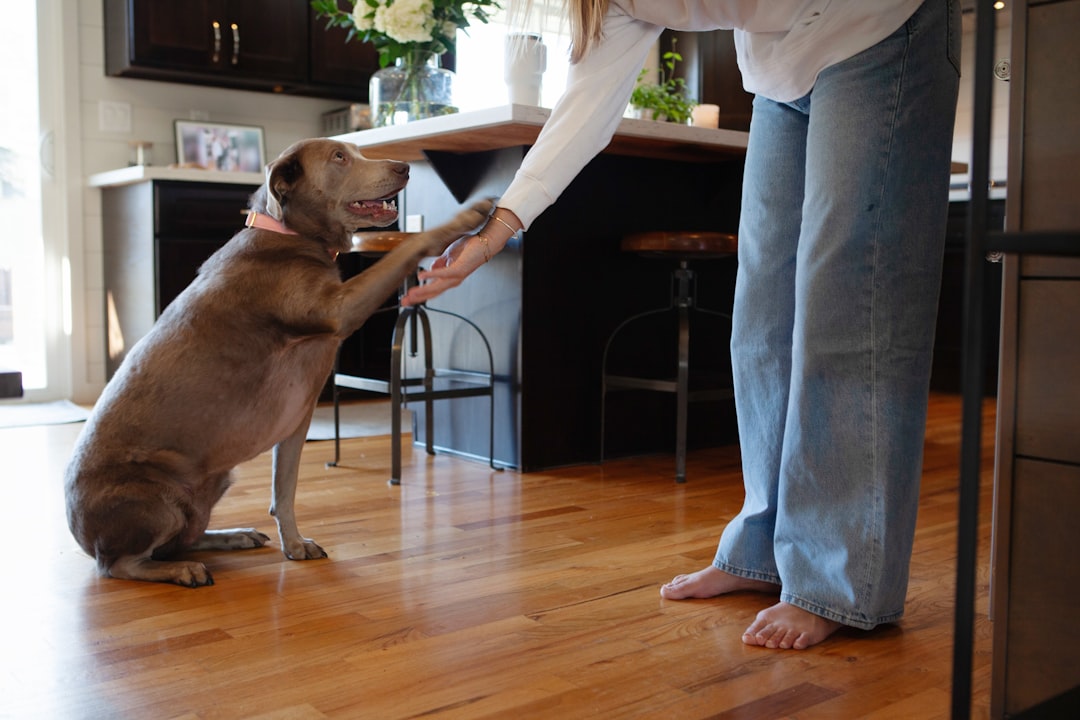
If your dog sits beautifully in your living room but acts like they've never heard the word at the dog park, you're not alone. This isn't stubbornness – it's a lack of proofing.
Proofing is the systematic process of teaching your dog to respond to commands regardless of what's happening around them. It means your dog will sit whether you're standing next to them or 20 feet away, whether you're in a quiet room or at a busy outdoor café, and whether they need to hold that position for five seconds or five minutes.
The Home vs. Real World Gap
Here's what I see constantly: owners tell me their dog "knows" sit, stay, or come. And they're right – sort of. Their dog knows these commands in the controlled environment where they learned them. But training isn't truly complete until your dog can perform reliably in the real world.
Think of it like learning to drive. You might master steering in an empty parking lot, but that doesn't mean you're ready for rush hour traffic. Dogs need the same gradual exposure to increasingly challenging situations.
The Three D's of Proofing
Professional trainers use the "Three D's" framework to proof commands systematically:
- Distance: How far away you are from your dog when you give the command
- Duration: How long your dog must hold the behavior
- Distraction: What's competing for your dog's attention (other dogs, food, squirrels, people)
Here's the golden rule: only increase ONE D at a time. This is where most owners go wrong. They ask their dog to stay for two minutes while another dog walks by from across the park – that's increasing all three D's simultaneously, which sets your dog up to fail.
Instead, if you're working on distance, keep duration short and distractions minimal. Once your dog succeeds consistently at 10 feet away, then you can try 15 feet.
Proofing Takes Time – And That's Normal
I need to be honest with you: proofing isn't something you knock out in a weekend. For most commands, you're looking at 3-6 months of consistent practice before you have rock-solid reliability in challenging environments.
This doesn't mean daily hour-long sessions. It means incorporating short training moments into your regular routine and gradually exposing your dog to new situations.
A Real-World Example
Last year, I worked with a Golden Retriever named Biscuit who would sit instantly at home. His owner was frustrated because at the dog park, Biscuit completely ignored the sit command. "He's just being stubborn around other dogs!" she insisted.
But Biscuit wasn't stubborn – he genuinely didn't understand that "sit" meant the same thing when there were other dogs running around. We had only trained sit in the kitchen. To Biscuit, that was a kitchen-specific behavior.
We spent weeks proofing: first in the quiet backyard, then on the front porch, then on walks with no dogs visible, then with dogs at a distance. After about four months, Biscuit could reliably sit even with other dogs nearby. That's proofing in action.
The key takeaway? If your dog isn't responding to commands in certain situations, they need more proofing – not more corrections.