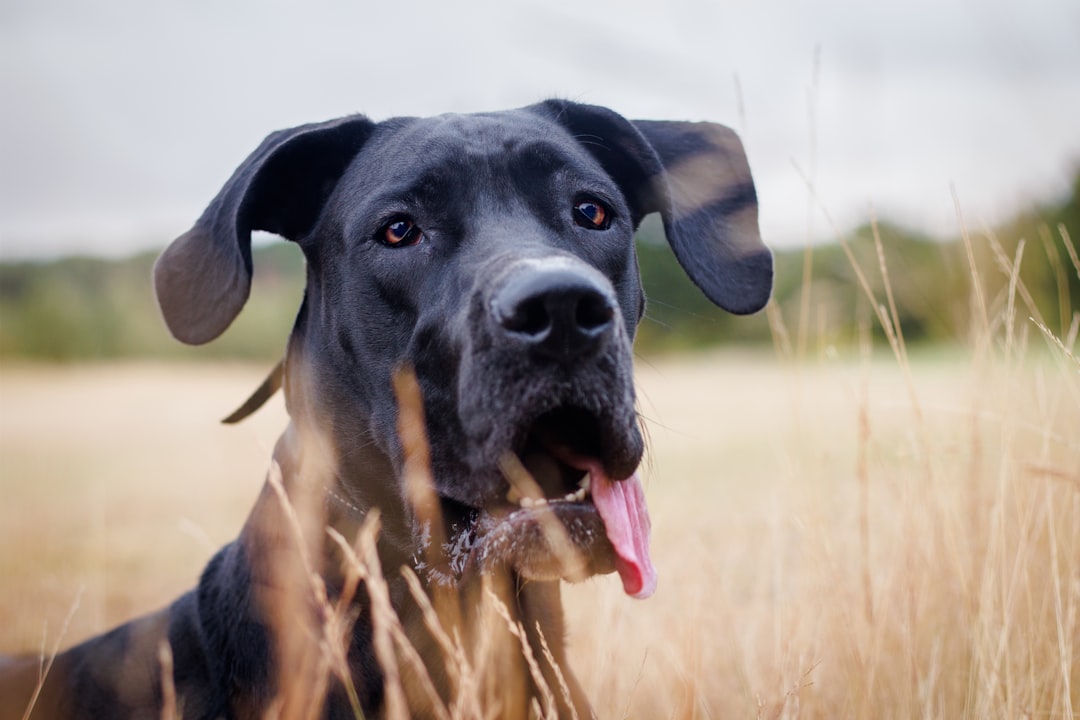
Great Dane Puppy Training Size Challenges Guide 2026
Understanding the Great Dane Puppy Growth Curve: What Makes Training Different

If you've ever watched a Great Dane puppy grow, you know it's like witnessing time-lapse photography in real life. I've worked with dozens of Dane puppies over the years, and their growth rate never ceases to amaze me—and complicate training in ways most dog owners never anticipate.
The Staggering Growth Timeline
Your Great Dane puppy will enter the world weighing just 1-2 pounds. Fast forward 18-24 months, and you're looking at a 100-200 pound dog. That's not just growth—that's an explosion. The most dramatic changes happen between 3 and 8 months old, when your puppy can gain several pounds per week.
Here's what this looks like in practice: At 3 months, your Dane weighs around 30 pounds—manageable, right? By 8 months, that same puppy tips the scales at 80-120 pounds. That's a 50-90 pound difference in just five months. Every training technique you perfected at 4 months may need complete revision by 6 months.
The Puppy Brain in a Horse Body Problem
This is the challenge that catches most new Dane owners off guard: your dog's brain develops on a normal puppy timeline, but their body grows at warp speed. At 6 months old, you have a dog the size of a full-grown Labrador with the impulse control and judgment of… well, a 6-month-old puppy.
I once worked with a 5-month-old Dane named Bruno who got excited during a training session and knocked his owner flat on her back—purely by accident. He was trying to be affectionate. This is why handler safety isn't something you start thinking about at a year old with this breed; it's a consideration from day one.
Joint Development and Training Limitations
Here's the critical part many trainers miss: those bones and joints don't finish developing until 18-24 months. That gangly teenager you're living with has growth plates that are still open and vulnerable. This means:
- No repetitive jumping exercises until fully mature
- Limited stair climbing during peak growth phases
- Short, frequent training sessions instead of long ones
- Avoiding high-impact activities that stress developing joints
The "lanky teenager" phase hits around 6-12 months, and coordination becomes… interesting. Your Dane will trip over their own feet, misjudge distances, and generally move like they're not sure where their limbs are. Because honestly, they probably aren't. Training during this phase requires extra patience and safety precautions.
Adapting Your Training Approach
The key to training Great Danes successfully is accepting that you'll need to constantly evolve your methods. The leash technique that worked perfectly at 12 weeks won't cut it at 6 months when your dog outweighs you. I recommend using a front-clip harness early on—it gives you better control without putting pressure on that developing neck and throat.
Start teaching impulse control and calm behaviors immediately. A 4-month-old Dane can accidentally knock over an adult, so "sit to greet" and "four on the floor" aren't just nice manners—they're safety essentials.