Dog Training in Hot Weather: Heat Safety Guide 2026
Every summer, I see the same heartbreaking pattern repeat itself at training facilities and dog parks: a well-meaning owner pushing through a midday session because "it's only 82°F," not realizing that when humidity climbs above 70%, that temperature creates a heat index dangerous enough to trigger heatstroke in a working dog within 20 minutes.
I've been training dogs professionally since 2011, and I've personally had to cut short hundreds of summer sessions — including one terrifying afternoon with a young Belgian Malinois who went from "slightly sluggish" to "emergency vet visit" faster than I thought possible. That experience permanently changed how I schedule warm-weather training, and it's shaped everything in this guide.
Here's the uncomfortable truth most dog training content glosses over: heat safety isn't just about avoiding the hottest part of the day. It involves understanding specific temperature-humidity thresholds, recognizing breed and age vulnerabilities, knowing what gear actually works (and what's marketing fluff), and having a plan for the moment things go wrong — because in summer training, that moment will eventually come.
In this guide, you'll get a genuinely practical framework for training through summer without putting your dog at risk. We'll cover scheduling strategies, early warning signs that most owners miss, hydration protocols that go beyond "bring water," and how to maintain real training progress even when outdoor conditions are unworkable.
Whether you're preparing for a fall competition, working through a basic obedience program, or simply trying to keep your dog mentally stimulated during the hottest months of 2026, this information could make the difference between a productive summer and a preventable tragedy.
Let's start with the danger itself — because most people are significantly underestimating it.
Why Hot Weather Training Is Genuinely Dangerous (And Often Underestimated)
Most dog owners understand, in a general sense, that heat is bad for dogs. What they underestimate — sometimes with devastating consequences — is how fast that danger arrives, and how ordinary the circumstances can look right before it does.
To be direct: I have watched a fit, healthy four-year-old Labrador collapse during a recall training session in July. We were maybe 20 minutes in. The temperature was 88°F (31°C), the humidity was moderate, and the dog had been enthusiastically sprinting back and forth — which is exactly what Labradors do. His owner was attentive and experienced. Neither of them looked like a cautionary tale right up until they were one. That memory has shaped how I approach summer training with every client since.
The Physiology of Canine Heat Regulation
To understand why dogs are so vulnerable, you need to understand how profoundly different their cooling system is from ours.
Humans sweat across most of our body surface — an efficient, widespread heat-dissipation mechanism that evolved alongside our endurance capabilities. Dogs rely almost entirely on panting: rapid, shallow breathing that evaporates moisture from the tongue and upper respiratory tract. They do have eccrine sweat glands, but these are limited almost exclusively to their paw pads, contributing minimally to overall cooling.
This matters enormously in practice:
- Panting becomes less effective as ambient humidity rises, because moist air can absorb less evaporated moisture
- The effort of panting itself generates additional body heat, which must then also be dissipated
- When a dog is working hard — running, jumping, responding to training cues — their internal body temperature climbs faster than panting can compensate for
- Core body temperature in dogs can rise to dangerous levels (above 104°F / 40°C) in as little as 15 minutes of moderate exertion when ambient temperatures exceed 85°F (29°C)
There's another layer that gets overlooked entirely: heat impairs learning. A dog working in high ambient temperatures isn't just physically stressed — they're cognitively compromised. Heat accelerates mental fatigue, degrades focus, and interferes with the memory consolidation that makes training stick. Even in scenarios where you avoid a medical emergency, you're largely wasting the session. The cost-benefit calculation simply doesn't add up.
Breeds and Individual Dogs at Highest Risk
While no dog is immune to heatstroke, certain individuals face dramatically elevated risk and warrant extra caution even in conditions that seem manageable for others.
Brachycephalic breeds — Bulldogs, French Bulldogs, Pugs, Boxers, Boston Terriers — top this list. Their compressed airways make panting mechanically less efficient, meaning their primary cooling mechanism is already compromised before temperatures rise. I worked with a French Bulldog named Archie in the summer of 2026 who showed signs of distress during an indoor session simply because the room wasn't adequately air-conditioned. These dogs have almost no heat margin.
Other high-risk categories include:
- Double-coated breeds (Huskies, Malamutes, Golden Retrievers, German Shepherds) — their coat insulation works against them in heat
- Overweight and obese dogs — excess body fat acts as insulation and increases the metabolic cost of movement
- Puppies — thermoregulatory systems are not fully developed, and they're less likely to self-regulate their activity
- Senior dogs — reduced cardiovascular efficiency and potential underlying conditions limit their ability to respond to heat stress
- Dogs on certain medications — some antihistamines, diuretics, and heart medications affect heat tolerance; always check with your vet
If your dog falls into any of these categories, the safe temperature thresholds that apply to healthy adult dogs simply don't apply to them. They need their own, more conservative guidelines — covered in later sections.
The bottom line: summer training requires genuine recalibration, not just minor adjustments. The risk is real, it arrives quickly, and it affects dogs that look perfectly healthy right until the moment they aren't.
Reading the Numbers: Temperature and Humidity Thresholds That Should Govern Your Training Schedule
Here's a mistake I made early in my training career that I've never forgotten. It was a July morning, 82°F on my weather app — warm, but not alarming. I was working with a two-year-old Labrador named Biscuit on off-leash recall in a park. After about 25 minutes, he started lagging noticeably on his returns. I chalked it up to distraction. What I hadn't checked was the humidity: 84%. The heat index — what the air actually felt like to Biscuit's body — was pushing 96°F. We stopped immediately, but it was a lesson I carry into every summer session now.
The number on your weather app is not the whole story. Not even close.
The Heat Index Chart Every Dog Owner Should Bookmark
Air temperature alone is a dangerously incomplete measurement. Dogs cool themselves almost exclusively through panting, which relies on evaporation. When humidity is high, evaporative cooling becomes drastically less efficient — a dog's internal temperature climbs faster and recovers more slowly, even if the thermometer reads something that seems manageable.
Consider this comparison: 88°F at 80% humidity produces a heat index around 99°F. 95°F at 20% humidity produces a heat index of roughly 90°F. The lower air temperature is actually the more dangerous training environment. This is counterintuitive, and it catches owners off guard constantly.
Here's the practical threshold guide I use with every client, refined over years of working dogs in all conditions:
- Below 70°F (21°C): Generally safe for most healthy adult dogs. Full training sessions appropriate.
- 70–80°F (21–27°C): Proceed with monitoring. Check humidity — if it's above 60%, treat this zone more cautiously. Offer water breaks every 10–15 minutes.
- 80–90°F (27–32°C): Shorten sessions to 15–20 minutes maximum. Shade is non-negotiable. Watch breathing patterns closely.
- Above 90°F (32°C): Move training indoors or cancel outdoor work entirely. No exceptions for brachycephalic breeds, puppies, or senior dogs at this threshold.
Humidity above 60% is the hidden multiplier that pushes any temperature into a higher risk category. A breezy 78°F day with 75% humidity is not a comfortable training day — it just looks like one.
In 2026, there's no excuse for guessing. Apps like Weather Underground and its visual companion Wundermap give you hourly heat index readings broken down by location — not just your city, but your neighborhood's nearest personal weather station. My habit is to check the heat index the evening before any morning session. If the 7 or 8 AM heat index is projected above 80°F, I plan an indoor session from the start rather than hoping the morning stays cool.
The Pavement Test and Why Booties Are Worth Reconsidering
Temperature and humidity govern whether you train — pavement temperature governs whether you walk to the training location safely.
Asphalt absorbs and retains heat with brutal efficiency. When air temperature hits 95°F (35°C), asphalt surface temperature can reach 145°F (63°C) — hot enough to cause pad burns within 60 seconds of contact. Even at a more moderate 85°F, pavement can sit at 110°F or higher depending on sun exposure and how long it's been baking.
The 7-second hand test is simple and reliable: press the back of your hand flat against the pavement and hold it for seven seconds. If you can't keep it there comfortably, your dog's paws cannot either. Do this before every outdoor session — I've been surprised on overcast days when the ground retained heat from the previous afternoon.
If you're training in areas where hot pavement is unavoidable,
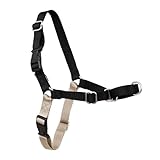
paired with dog booties can make the difference between a safe session and an injured dog. Booties have a reputation for looking fussy, but pad burns are real injuries that take weeks to heal and derail training progress entirely. Grass, wood chips, or shaded concrete are always preferable surfaces — route your warm-up walks accordingly.
The numbers exist to remove guesswork from decisions that genuinely affect your dog's safety. Check them, use them, and let them overrule your optimism on a beautiful-looking summer morning.
Strategic Scheduling: When to Train, When to Skip, and How to Adapt Your Routine
Timing is everything in summer training — and more literally than it sounds. Getting this right isn't just about comfort; it's about whether your session is productive or counterproductive. A dog who is panting hard and scanning for shade isn't learning. Their brain is occupied with something far more urgent than your recall cues.
The Golden Window (And Its Limits)
The 5:30–8:00 AM window is your best friend from June through August. Ground temperatures are at their lowest, the sun angle is still shallow enough that pavement hasn't started absorbing serious heat, and most dogs are naturally alert and food-motivated after a night's sleep. I've done my best work during these hours — there's something genuinely rewarding about a quiet neighborhood session when the air still feels cool and your dog is sharp and engaged.
Evening sessions after 7:00 PM can work, but here's something that trips up many well-meaning owners: pavement retains heat for hours after sunset. On a 92°F day, asphalt at 7:30 PM can still be pushing 110°F or hotter at the surface. Always use the back-of-hand test before letting your dog work on any paved surface. Grass is a safer evening option — but still check it.
During prolonged heat waves — consecutive days above 95°F with no overnight relief — stop hunting for outdoor windows altogether. For stretches of 10–14 days during genuine heat emergencies, shift entirely to indoor training. The risk-to-reward math doesn't work outdoors during those periods, and indoor work is genuinely effective. More on those alternatives in the next section.
Shortening Sessions: The Math That Matters
A standard 20-minute outdoor session needs serious trimming once temperatures climb. Here's my working guideline:
- 75°F or below: Normal session length, normal intensity
- 76–79°F: Reduce to 15 minutes, incorporate more stationary work
- 80–85°F: Cut to 8–10 minutes maximum, keep movement minimal, end on a simple win
- Above 85°F: Move inside or skip
These aren't arbitrary numbers. At 80–85°F with moderate humidity, I've watched dogs go from focused to visibly uncomfortable in under 12 minutes. Use a

that’s genuinely motivating so you’re maximizing every minute of that shorter window.
Building Heat Tolerance Gradually
Most summer training guides skip this: dogs who've spent spring in air conditioning need a genuine acclimatization period. A dog going from a 70°F house to outdoor training on a warm June morning isn't physiologically ready to handle that stress efficiently — even if the temperature seems "mild" by August standards.
I recommend 2–3 weeks of short, cool-morning exposure sessions in late May or early June — 5 to 8 minutes, nothing demanding, just getting their bodies used to regulating in outdoor warmth. Think of it like asking someone to run a 5K the first week after a sedentary winter. The gradual ramp-up matters enormously.
Sample Summer Training Week Schedule
Here's how I'd structure a typical training week in July for a healthy adult dog:
| Day | Time | Format | Duration |
|---|---|---|---|
| Monday | 6:00 AM | Outdoor heel + focus work | 8 min |
| Tuesday | Indoor, any time | Trick training / impulse control | 15 min |
| Wednesday | 6:15 AM | Recall practice on grass | 10 min |
| Thursday | Rest day | Mental enrichment only | — |
| Friday | 6:00 AM | Short leash work + sit/stay | 8 min |
| Saturday | Indoor, any time | Advanced cue proofing | 20 min |
| Sunday | 7:30 PM (after temp check) | Relaxed neighborhood walk | 15 min |
A

is particularly useful during those early morning outdoor sessions — you get distance work done quickly without covering as much ground in the heat.
Recognizing When Your Dog Is Telling You "I'm Done"
Dogs communicate discomfort before they show clinical signs of heat stress. Watch for:
- Slowing down or lagging behind you unprompted
- Seeking shade or stopping and refusing to move
- Disconnecting — suddenly not responding to cues they know perfectly well
- Excessive sniffing the ground as a displacement behavior
- Wide, whale-eye expression and low body posture
I remember working a two-year-old Belgian Malinois on a "cool enough" morning that turned warm faster than forecast. She's typically relentless and drivey — when she started sniffing the ground during a simple retrieve, I knew something was off before I even checked the temperature. We wrapped up immediately. That behavioral shift was the signal, not the thermometer.
When your dog tells you they're done, believe them the first time.
Recognizing and Responding to Heat Exhaustion and Heatstroke in Dogs
Knowing how to spot trouble before it becomes a crisis is the most important skill in summer training. Experienced handlers can miss early warning signs when focused on performance rather than physiology. One missed cue can turn a manageable situation into a veterinary emergency within minutes.
Here's what you need to know — and need to be able to act on, fast.
Early Warning Signs: Stop Training Now
Heat exhaustion doesn't announce itself dramatically. It creeps in, and dogs will often keep working even when their bodies are struggling. Watch for these signals during any warm-weather session:
- Excessive panting that seems disproportionate to the exercise level
- Heavy, thick drooling — noticeably more than your dog's normal baseline
- Slowing pace or lagging behind when your dog is usually eager and forward-moving
- Stopping and refusing to move — this is your dog communicating clearly, and you must listen
- Bright red gums — one of the most reliable early indicators that core body temperature is rising
A dog's normal rectal temperature sits between 101–102.5°F. Once you're seeing bright red gums and heavy drooling together, there's a real chance that temperature has already climbed toward 103–104°F. At 104°F and above, you need veterinary attention. Don't wait to see if they improve on their own.
I keep a
handy during outdoor sessions partly for this reason — if a dog suddenly stops and plants, I’m not wrestling with a short leash while trying to assess what’s happening.
Heatstroke Warning Signs: This Is an Emergency
Heatstroke moves fast. If you've missed or misread the early signs, you may be facing these within a surprisingly short window:
- Glazed or unfocused eyes
- Vomiting or diarrhea
- Wobbly, uncoordinated gait
- Gums turning pale, gray, or purple — this signals cardiovascular compromise
- Loss of consciousness or seizure activity
At 106°F and above, organ damage is occurring. This is not a "let's see how the next few minutes go" situation. You have one job: begin cooling and get to an emergency vet.
Step-by-Step Emergency Field Response
The instinct to cool a dog as fast as possible can actually make things worse if you use the wrong method.
Do this:
- Move your dog to shade or air conditioning immediately — get them out of direct sun as the very first step
- Apply cool (not cold, not iced) water to the paw pads, groin, armpits, and back of the neck — these areas have concentrated blood vessels close to the surface
- Use a wet cloth or your hands to gently fan the wet areas — evaporation does the cooling work
- Offer very small sips of cool water if your dog is conscious and able to swallow — don't force it
- Drive to an emergency vet immediately — do not wait for improvement
Do not do this:
- Never apply ice or ice-cold water directly to the skin. This causes peripheral blood vessels to constrict, trapping heat in the body's core — the opposite of what you need. I've had to explain this to panicked owners in parking lots more than once.
- Don't submerge the dog in cold water or pack them in ice
- Don't assume they're fine because they seem to be recovering — internal temperature and organ stress can persist even when a dog looks better on the outside
What to Tell Your Vet When You Arrive
Time matters in the exam room. Give your vet this information as clearly and quickly as possible:
- What time symptoms started and how quickly they progressed
- The approximate temperature and humidity at the training location
- What cooling steps you took and when
- Any vomiting, diarrhea, or loss of consciousness that occurred
- Your dog's breed, age, and any known health conditions — brachycephalic breeds and cardiac patients are especially vulnerable
If you managed to get a rectal temperature reading in the field, share that number. Vets will tell you it's one of the most useful data points you can bring in.
The bottom line: trust what you're seeing over what you're hoping. When a dog shows you they're struggling, the training session is over. Every time.
Practical Heat Safety Gear and Hydration Strategies for Summer Training
I'll be honest: I underestimated hydration needs for years. I knew dogs needed water during training, so I'd bring a bottle, offer it a couple of times, and call it sufficient. Then I started tracking actual intake on hot days with a working Malinois during 2026's brutal July heat, and what I measured genuinely surprised me.
Water: The Numbers Actually Matter
The baseline rule is 1 ounce of water per pound of body weight per day — a 50-pound dog needs roughly 50 ounces under normal conditions. Active training in heat can double or triple that requirement. That same 50-pound dog working through 30-minute sessions in 85°F heat may need 100–150 ounces across the day. Most owners are nowhere close to providing that.
For practical kit, I now carry two items everywhere during summer sessions:
- A Ruffwear Quencher — packable, holds its shape well enough for a dog to drink confidently, and doesn't tip on uneven ground
- A Lesure collapsible silicone bowl as a backup — lightweight, clips to a bag, costs almost nothing
Offer water every 10–15 minutes during active summer training, not just at the end. Don't wait for your dog to show interest. Many dogs, especially driven working breeds, will push through thirst in training mode.
Electrolytes and Hydration Supplements: Are They Worth It?
Short answer: yes, for extended sessions, with some caveats.
Plain water handles most training scenarios. But for sessions exceeding 45 minutes in significant heat, or for dogs panting hard and losing moisture through their paws, electrolyte supplements can help replace sodium and potassium lost through respiration. Products like Rebound OES (oral electrolyte solution) are formulated specifically for dogs — I've used them with sporting and working dogs during multi-day training events with solid results.
Avoid human sports drinks like Gatorade. The sugar and artificial sweetener content isn't appropriate for dogs. Stick to veterinary-formulated options and use them as a complement to water, never a replacement.
Cooling Vests and Bandanas: Know the Difference
Cooling vests work through evaporative cooling — you soak them, wring them out, and the water evaporates off the fabric, drawing heat away from the body. I've personally tested both the Ruffwear Swamp Cooler and the Hurtta Cooling Wrap on working dogs, and both perform genuinely well. The Swamp Cooler tends to fit broader-chested breeds more comfortably; the Hurtta wraps tighter and suits leaner dogs better.
One practical tip: pre-soak the vest and keep it in a cooler bag before your session. A warm, half-dried vest does significantly less work than a freshly saturated one.
Cooling bandanas are useful but categorically different. They moderate temperature around the neck and carotid area, which helps — but they are a supplemental measure, not a safety solution. Treat a bandana as one small tool in a larger strategy, not a substitute for a cooling vest.
Protecting Paws: Gear Introduction Through Positive Reinforcement
Pavement in direct sun can reach 150°F or higher — enough to cause serious pad burns within minutes. Dog booties solve this problem, but most dogs need weeks of introduction before accepting them willingly.
My go-to options are the Ruffwear Grip Trex for dogs that need durability and grip, and the Ultra Paws Cool Boots for lighter use on hot surfaces. Start introducing them 4–6 weeks before summer heat peaks.
How to Introduce Cooling Gear Using Positive Reinforcement
The process is the same whether you're introducing booties, a cooling vest, or a new harness:
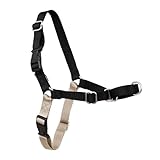
- Show the item — let your dog sniff and investigate it. Pair with
. No pressure, no rushing.
2. **Touch the item to your dog’s body briefly** — one second, then treat and remove.
3. **Gradually increase duration** — from brief contact to resting on the back, then partial fastening.
4. **First full wear** indoors, during something fun — play, a short training session, a meal.
This desensitization process typically takes 5–10 short sessions over 1–2 weeks per item. Dogs rushed into booties on the first hot day of summer are the ones you see doing the "hot potato shuffle" on video — comical, but also stressed and uncomfortable.
Finally, avoid dark-colored harnesses and gear in summer. Black nylon absorbs significantly more solar radiation than light-colored, breathable mesh alternatives — a small adjustment with a real impact on your dog's heat load during outdoor sessions.
Adapting Your Training Program: Indoor Alternatives and Heat-Appropriate Exercises
Here's something I tell every client who calls in July frustrated that their dog is going stir-crazy: mental exhaustion is just as real as physical exhaustion. I watched one of my own dogs, a Belgian Malinois named Koda, completely wiped out after a 15-minute sc