How Often Should You Bathe a Dog? Expert Bathing Guide
Understanding Your Dog’s Natural Coat Protection
Your dog’s skin works like a self-maintaining system, constantly producing natural oils called sebum that keep their coat healthy and protected. Think of it like a built-in conditioner that your dog manufactures 24/7. These oils create a protective barrier against dirt, moisture, and temperature changes—basically everything Mother Nature throws at your pup.
Why Those Natural Oils Matter
I’ve seen countless dogs come through my training classes with dry, flaky skin because their well-meaning owners bathed them too frequently. Here’s what those natural oils actually do:
- Waterproof the coat to keep skin dry in rain and snow
- Regulate body temperature by insulating the skin
- Block bacteria and fungi from causing skin infections
- Keep the coat flexible and shiny instead of brittle and dull
- Protect against environmental irritants like pollen and dust
When you bathe your dog too often, you’re literally washing away this protective shield. The skin tries to compensate by producing even more oil, which can create a cycle where your dog seems greasier faster—so you bathe them more, and the problem gets worse.
Different Coats, Different Oil Production
Not all dogs are created equal when it comes to oil production. I’ve trained everything from Poodles to Basset Hounds, and their grooming needs are worlds apart.
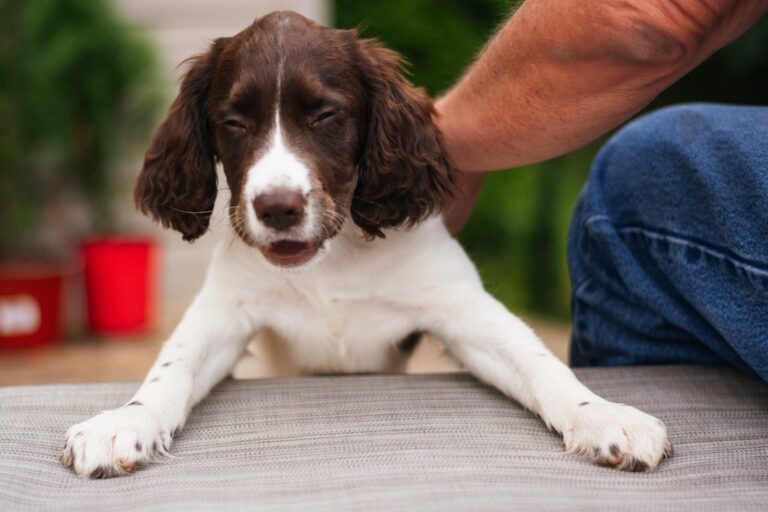
High oil producers like Basset Hounds, Cocker Spaniels, and Retrievers have coats that feel slightly oily to the touch. This is completely normal and helps them with their original jobs (like retrieving ducks from cold water).
Low oil producers include breeds like Poodles, Maltese, and other dogs with hair-like coats. Their skin produces less sebum, which is why they can typically be bathed more frequently without damage.
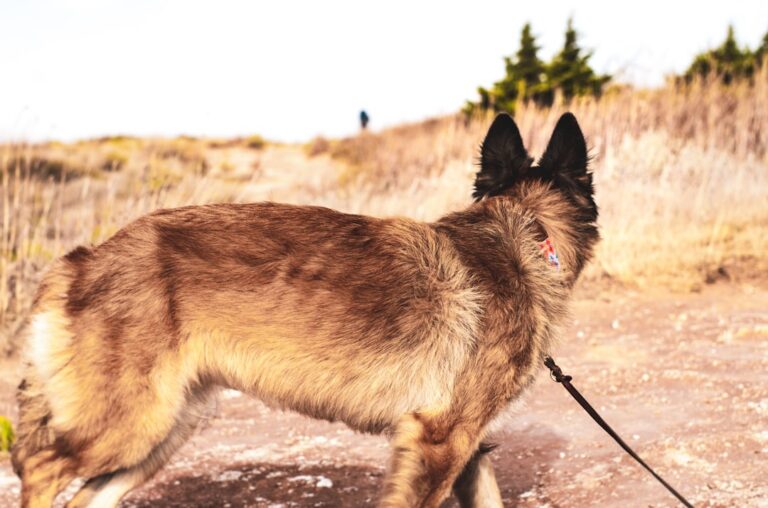
Double-coated breeds like Huskies and German Shepherds have a completely different system. Their undercoat works with the natural oils to create incredible insulation, and over-bathing disrupts this entire setup.
That “Dog Smell” Isn’t Always Bad
Here’s something that surprises many of my clients: that distinctive dog smell is actually the scent of healthy coat oils. A mild, earthy odor is perfectly normal and means your dog’s skin is doing its job.
However—and this is important—there’s a difference between normal dog smell and problem odors. If your dog smells like corn chips (feet), that’s usually yeast. A rancid or fishy smell might indicate anal gland issues. Sudden strong odors often signal skin infections that need veterinary attention.
Learning from Wild Canines
Wild wolves and coyotes don’t have access to dog shampoo, yet they maintain remarkably healthy coats. They achieve this through natural grooming behaviors: rolling in grass, scratching against trees, and social grooming with pack members. Their bodies maintain the perfect balance of oils without any intervention.
Your domestic dog has the same basic biology. While I’m not suggesting you never bathe your pet, understanding that their body is designed to self-regulate helps you make better grooming decisions. Sometimes less really is more.