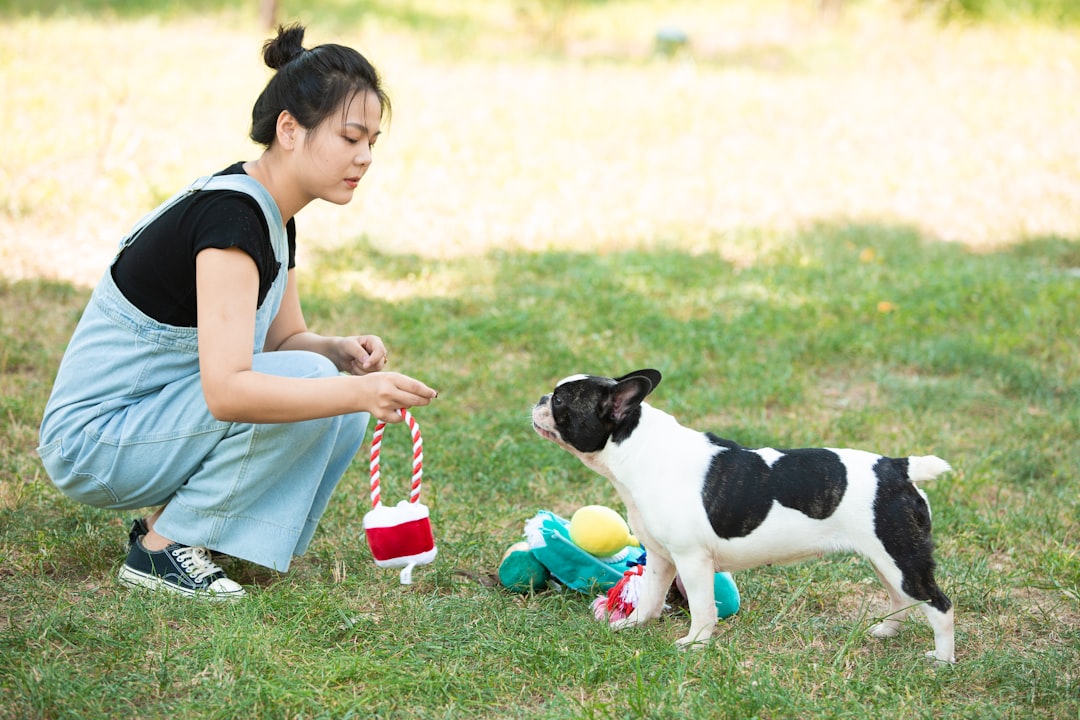
Toy Motivated Dog Training Techniques That Work in 2026
Understanding Toy Motivation in Dogs: Why Some Dogs Choose Play Over Food
What Drives Your Dog: Toys vs Treats
Not all dogs light up when you pull out a treat pouch. Some dogs would rather chase a tennis ball than eat a steak, and understanding this distinction changes everything about how you train. Toy motivation and food motivation are two separate drive patterns that develop differently in each dog.
From puppyhood, you can spot these tendencies. The puppy who grabs every stick on a walk and brings it back to you? That's toy drive showing up early. The one who sniffs around the kitchen waiting for crumbs? Food motivated. Neither is better—they're just different tools in your training toolbox.
Breed Influences on Toy Drive
Genetics play a huge role here. Border Collies, Australian Shepherds, and other herding breeds often show intense toy motivation because they were bred to chase and control movement. That instinct translates beautifully to toy play.
Terriers go crazy for toys with erratic movement—it taps into their prey drive. Jack Russell Terriers will play fetch until you give up long before they do.
Retrievers (surprise!) typically love toys, especially anything they can carry. Golden Retrievers and Labs often show balanced drive for both food and toys, making them versatile training partners.
That said, I've met plenty of individual dogs who break the mold. Your Beagle might prefer a ball over bacon—every dog is unique.
Environmental Factors That Shape Toy Preference
A dog's play history matters tremendously. Dogs who played interactive games with their humans as puppies typically develop stronger toy motivation. If you got your dog as an adult who never learned to play, that drive might be dormant rather than absent.
Previous training experiences count too. If someone only ever used treats, your dog might not realize toys can be rewards. The good news? You can change this at any age.
The 5-Point Toy Motivation Scale
Here's how I assess toy drive:
- No interest – ignores toys completely
- Mild curiosity – sniffs or mouths toys briefly
- Moderate interest – plays for 30-60 seconds before losing focus
- Strong drive – sustained play for several minutes, actively seeks toys
- Obsessive drive – hyper-focused, won't stop playing, may guard toys
Most dogs fall between 2-4, which is perfect for training.
Why Toy Motivation is a Training Superpower
Training with toys offers real advantages. Your dog won't gain weight from hundreds of daily training repetitions—a genuine concern when you're working on complex behaviors.
Toys work brilliantly in distracting environments. At the dog park or busy street, food often can't compete with the excitement around you. But a squeaky ball? That movement and sound cut through distractions.
Toy play builds engagement and focus differently than food. It's interactive—you're playing together, which strengthens your bond and teaches your dog that working with you is the best game in town.
Signs Your Dog Has Hidden Toy Drive
Many dogs have latent toy motivation waiting to be unlocked. Watch for these signals:
- Picks up random objects during walks
- Gets excited by movement (leaves blowing, squirrels)
- Plays keep-away with stolen items
- Shows brief interest in toys before giving up
These dogs aren't "not toy motivated"—they just haven't learned that toys mean fun with you yet. With the right approach, you can develop this drive and open up entirely new training possibilities.