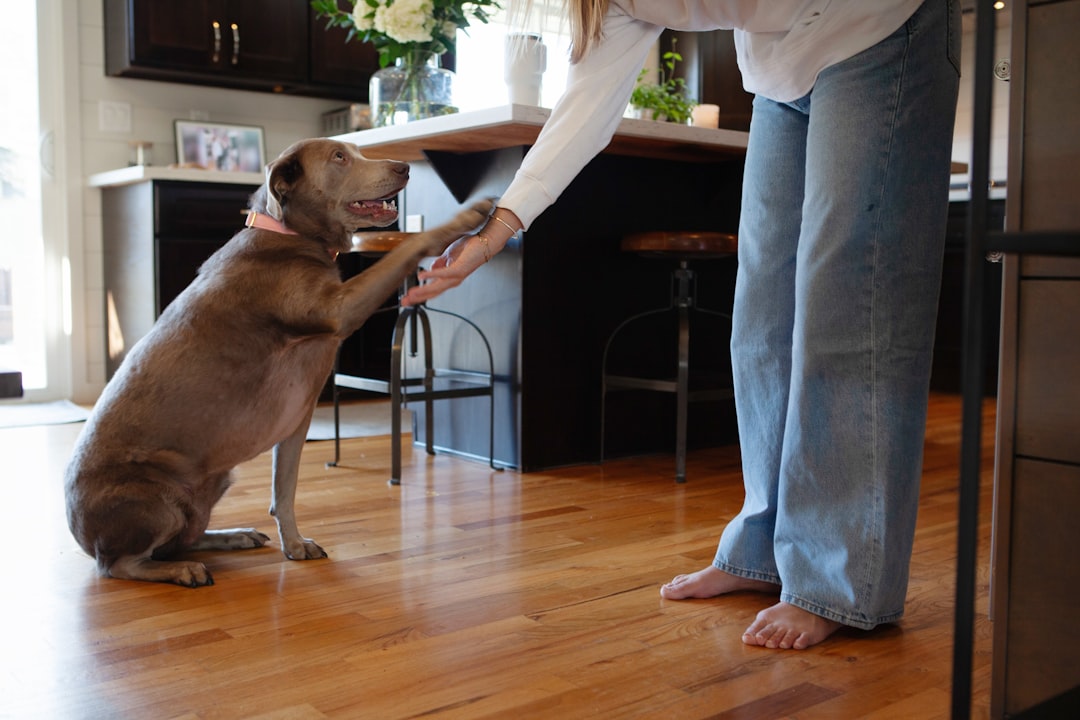
Teach Your Dog Polite Greetings: No Jumping (2026)
Here's a frustrating truth I've seen play out hundreds of times in my training career: a dog can learn to sit on cue in under two days, but that same dog will still be launching himself at houseguests six months later. Jumping isn't a training gap — it's a communication gap, and closing it requires a fundamentally different approach than most owners expect.
I've worked with everything from 10-pound Chihuahuas to 120-pound Rottweilers on this exact problem, and the families who struggle longest share one thing in common: they've been told to "just knee the dog" or "ignore the jumping." Neither strategy works reliably, and I'll show you exactly why.
The good news? Polite greetings are absolutely teachable — even in dogs who have been jumping enthusiastically for years. I've helped a 7-year-old Labrador named Biscuit go from knocking over a 70-year-old woman at the front door to offering a calm four-on-the-floor greeting in under three weeks. The protocol isn't complicated, but it requires consistency, a foundational skill most guides skip entirely, and a plan for every person who walks through your door — not just you.
This guide covers the full roadmap: the science behind why dogs jump, the step-by-step training protocol I use with clients, management strategies for the messy middle phase, and specialized approaches for children, elderly visitors, and dogs with high arousal tendencies.
Let's start where every successful solution has to start — understanding exactly what's driving the behavior in the first place.
Why Dogs Jump to Greet People (And Why Punishment Alone Never Works)
Let me start with a dog I worked with named Barnaby — a 3-year-old Labrador whose owners had spent two full years kneeing him in the chest, grabbing his paws, and shouting "off!" every single time he launched himself at visitors. By the time they called me, Barnaby wasn't jumping less. He was jumping more, and he'd started nipping at sleeves when guests arrived. The jumping had evolved into something messier and harder to fix. This is what happens when well-meaning owners treat the symptom without understanding the cause.
The Biology Behind the Behavior
Jumping to greet is not misbehavior. It's not dominance. It's not your dog being "bad." It is a deeply wired social ritual that starts on day one of a puppy's life.
Newborn puppies lick and nuzzle at their mother's face and muzzle to stimulate regurgitation — an ancient feeding behavior shared across canid species. As they grow, that face-seeking impulse transforms into a broader greeting ritual. Dogs greet each other face-to-face when they feel safe and socially bonded. Your dog isn't being rude when they jump up to reach your face. They are, in the most literal biological sense, saying hello in the only way their instincts have prepared them for.
The problem, of course, is that we are tall. And most of us don't appreciate muddy paws on our work clothes.
Understanding this reframes the whole situation. Your dog isn't trying to dominate you or test your authority. They're expressing a greeting drive that is self-reinforcing from birth — and that matters enormously when you're deciding how to respond.
The Reinforcement History: How Jumping Accidentally Gets Trained In
Here's what typically happens in a puppy's first few months of life:
- An 8-week-old puppy jumps up, and someone laughs and cuddles them — direct social reward
- At 4 months, the puppy jumps and someone says "no, no!" and pushes them down — still social contact
- At 6 months, the puppy jumps on a child, who shrieks and runs — exciting social event
- At 12 months, the now 50-pound dog jumps and gets a knee-lift and a stern "off!" — still interaction, still attention
Every single one of those responses has something in common: the dog received social contact as a direct consequence of jumping. From a behavioral standpoint, that is reinforcement, regardless of the owner's intention. Dogs do not parse the emotional valence of our attention the way we assume they do. A push is touch. A sharp "no!" is vocalization directed at them. Eye contact is engagement. For a dog with a strong social drive, any of these responses can sustain — and even strengthen — the jumping behavior over hundreds of repetitions.
This is why the "he only does it because he loves you" explanation is both entirely true and largely beside the point. Yes, jumping is an expression of social affection and excitement. What solves the problem is understanding that every social response you give to a jumping dog is a training session — whether you intended it to be one or not.
Why Punishment Doesn't Work — And Sometimes Makes Things Worse
The knee-to-chest correction, leash pops, spray bottles,
used punitively — these approaches fail for two reasons.
First, they usually still deliver some form of social contact, which feeds the reinforcement cycle described above.
Second, and more seriously, they can introduce anxiety and conflict arousal into what was originally a friendly greeting behavior. This is exactly what happened with Barnaby. Punishment created a dog who associated guest arrivals with unpredictable negative consequences — and his nervous system responded by escalating arousal, not reducing it. Mouthiness, excessive barking, and frantic spinning are common redirections when dogs become conflicted about greetings.
The 2026 consensus in applied animal behavior is clear: the only durable solution is extinction — removing every possible social reward from jumping — paired with actively reinforcing an incompatible behavior in its place. Not punishment. Not correction. Removal of reward, and redirection toward something the dog can be rewarded for doing instead.
That's the framework everything else in this guide is built on.
The Foundation Skill Your Dog Needs Before Greeting Training Can Succeed
Here's a mistake I see constantly with new clients: they want to jump straight into practicing greetings at the front door before their dog has a reliable response to even the most basic cues. Rushing this stage almost always backfires. Trying to train polite greetings without a solid foundation is like building on sand — the moment excitement enters the picture, everything crumbles.
Before a single stranger walks through your door for a "training session," your dog needs two things locked in: a four-on-the-floor default behavior and a reliable sit cue. Not "usually does it in the kitchen." Reliable under mild pressure.
Training the Auto-Sit Response at Home First
The concept I use with every client is what I call the auto-sit — the idea that a human walking toward your dog automatically predicts that sitting is the thing that makes good things happen. You're not waiting for jumping to occur and then reacting. You're building a conditioned expectation before the chaos begins.
Here's how to build it from scratch:
- Start in a low-distraction room with your dog on leash or in a small space
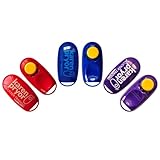
- Hold a handful of

and simply walk toward your dog slowly
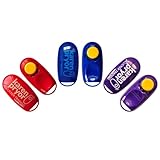
– The moment your dog’s rear hits the floor, mark it (with a clicker or a clear “yes”) and reward
– Repeat from different angles, at different speeds, until sitting becomes your dog’s *default response to approach*
This usually takes 3–5 short sessions of 5 minutes each for most dogs. I worked with a Boxer named Franklin in early 2026 who had been jumping on people for three years. Within a week of auto-sit work alone — before we ever introduced a real greeter — his owner told me he was starting to sit when she walked back into the room after getting coffee. That's the reflex you're building.
One rule I hold firm with every client: if a dog cannot maintain a sit while I slowly lower a treat to the floor and pick it back up, they are not ready to practice with excited strangers. That single test tells me almost everything I need to know about whether the sit is solid enough to survive real-world distraction. If they break for the dropped treat, they will absolutely break for a squealing child or an enthusiastic visitor.
Your minimum benchmark before moving to real greeting scenarios: a 5-second sit hold with at least mild movement distractions present — someone shifting their weight, clapping softly, or crouching down. Five seconds sounds trivial. For an aroused dog anticipating attention, it's significant.
A
is genuinely useful at this stage because precise, consistent timing of your marker matters more here than at almost any other point in training.
Choosing Your Greeting Behavior: Sit vs. Four-on-the-Floor vs. Hand Target
Before starting, decide: what does success actually look like for your dog? There's no universal right answer, and vague criteria are one of the most common reasons greeting training stalls.
Your three main options:
- Sit: The most common choice. Clear, visible, and incompatible with jumping. Works beautifully for most dogs but can be harder to maintain for very high-energy breeds or dogs that struggle with impulse control during excitement.
- Four paws on the floor (stand): A good alternative for dogs with hip or joint issues where holding a sit is uncomfortable, or for breeds that naturally resist the sit position during arousal. Less visually obvious but perfectly valid.
- Hand target (nose-to-palm): My personal favorite for high-drive dogs. It gives them something active to do with their excitement, which suits certain temperaments far better than a passive sit. It takes slightly longer to build, but the results are often more durable.
Pick one. Define it precisely — what counts, what doesn't. Write it down if you have to. Consistency of criteria is what allows your dog to actually learn the rule and allows everyone in the household to enforce it. Vague expectations produce vague results.
Once your chosen behavior is solid in low-distraction environments, then you're ready to introduce the real-world scenarios covered in the next section.
Step-by-Step Protocol: Teaching Polite Greetings From Scratch
Here's the part most training guides skip: the actual mechanics. Not just "reward the sit" — but exactly how to set up each repetition, how to progress safely, and where things typically fall apart. The difference between dogs who get this in three weeks versus three months almost always comes down to execution details.
Before diving in, have your
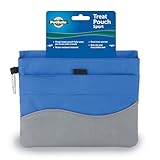
loaded with small, soft, high-value
. You want to deliver rewards fast — fumbling with a bag kills your timing.
Phase 1: Owner-Only Approach Repetitions
Start here, even if it feels too easy. You're not just teaching a behavior — you're building a conditioned greeting response, where your dog's default reaction to someone walking toward them is to plant their rear on the ground.
Here's the setup:
- Begin with your dog standing or moving loosely in a calm room
- Walk toward them at a normal pace, say nothing
- The instant all four paws are on the ground and they offer a sit (even a wobbly one), mark it with "yes" and deliver the treat
- Retreat a few steps, reset, repeat
Do 20 to 30 repetitions across three or four short sessions spread over a day or two. Each rep takes about 15 seconds, so you're burning a pattern into muscle memory without exhausting your dog.
Critical detail: deliver the treat at your dog's chest level or lower — never lean over and feed from above. That upward movement pulls their nose up, and a nose going up often becomes a body going up. I made this mistake constantly with my first golden retriever, then wondered why she kept half-jumping even while I was "rewarding the sit."
Phase 2: Adding Excitement and Arousal to the Scenario
This is where most owners rush — and where most training falls apart.
Once your dog is sitting reliably for calm approaches, systematically increase your energy. Start approaching with a slightly faster pace. Then add a happy voice. Then clapping. Then the full, embarrassing, "WHO'S A GOOD BOY" routine you'd actually use when you get home from work.
The rule: only greet your dog when they hold the sit through your approach. If they pop up as your energy rises, turn around, walk away, and give them 10 seconds to settle before trying again. No scolding, no drama — just the removal of attention.
Expect this phase to feel chaotic at first. That's normal. Your dog isn't broken; they're learning that your excitement level is irrelevant to the rule.
Phase 3: Introducing Controlled Stranger Greetings
Once your dog handles your high-energy approaches consistently — three or four sessions in a row with no jumping — it's time to bring in other people.
The setup matters enormously here:
- Keep your dog on leash, with you holding the end
- Position them just behind a doorway threshold or a
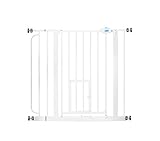
– Brief your helper: “Approach slowly. If the dog is sitting when you get to them, calmly reach down and pet their chest. If they jump or stand, turn your back and freeze.”
– **Only allow the stranger to approach when the dog is already sitting and calm** — not after they’ve started wiggling
Apply the three strikes rule strictly: if your dog jumps during a greeting session three times, you've exceeded their arousal threshold for that session. End it. Two clean reps and a clean stop will do more for long-term progress than pushing for ten reps and finishing on failure.
How to Handle Regression Without Losing Your Progress
Every dog regresses. A holiday with chaotic visitors, a week where training slips, a particularly exciting new person — and suddenly you're back to muddy paw prints on shoulders.
Don't panic, and don't restart from zero. Regression almost always means arousal exceeded training history, not that learning was lost. Drop back one phase — usually to Phase 2 high-energy owner approaches — rebuild consistency for a few days, then reintroduce strangers with tighter controls.
Realistic timeline: most dogs show consistent, reliable improvement within 3 to 6 weeks of daily 5-minute sessions. High-arousal breeds — Labs, Vizslas, Boxers, young Border Collies — often need 3 to 4 months before the behavior is truly bulletproof under real-world conditions. That's not failure. That's just where the breed is starting from.
Management Strategies to Use While Training Is In Progress
Management is not failure. It is responsible, science-backed training practice. The moment your dog rehearses jumping on a visitor — even once — you've allowed that behavior to get reinforced. Every unrestricted greeting is a small vote for jumping, and votes add up fast.
The core principle is simple: if you're not actively training, you're managing. There is no neutral option when a jumping dog meets a new person. The behavior either gets practiced or it doesn't. Your job during this phase is to make sure the wrong behavior can't happen while the right behavior is still being installed.
Door Arrival Protocols That Set Your Dog Up to Succeed
The front door is the highest-arousal moment in most dogs' days. The doorbell alone can spike your dog's excitement before a single human hand touches the knob — which is exactly why I recommend what I call the 60-90 second reset before any greeting happens.
Here's how it works in practice:
- When the doorbell rings, route your dog to a calm zone — either a
that blocks the entryway or a
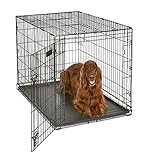
positioned away from the door
– Let your guest enter, take off their coat, sit down — all the boring stuff
– After 60-90 seconds, release your dog into the space, calmly, ideally on leash for the first pass
I used this protocol with a client's two-year-old Vizsla named Beau who had been launching himself at visitors for months. Within three weeks of consistent management, the gate going up had itself become a cue for Beau to downshift. The structure became a signal for calmer behavior.
For dogs with particularly intense door reactions, X-pens and tethers work beautifully. A tether anchored near a comfortable mat gives your dog a defined space, prevents the door-rush entirely, and creates a clean setup where you can reward a sit or a down before releasing them. These aren't punishment tools — they're architectural solutions to a rehearsal problem.
One more detail worth emphasizing: guests who ignore your management setup will quietly undermine weeks of work. Post a small sign near your door if needed. Something as direct as "Dog training in progress — please wait for my signal before greeting the dog" gives you social permission to run your protocol without awkward explanations mid-chaos.
Managing Greetings on Leash in Public Spaces
Sidewalks and parks are harder to control than your living room, but they're manageable. The strategy I use and teach is what I call the two-distance rule: keep your dog on a standard 6-foot leash and use distance as your training asset. When you see someone approaching who might interact with your dog:
- Begin turning or stepping to the side at around 15-20 feet away
- Use that buffer to ask for a sit or a four-on-the-floor position before the person closes in
- Reward the position before the human makes contact — not after the chaos starts
The biggest mistake people make on walks is waiting until a stranger is already crouched down with hands outstretched before asking for a sit. By then, your dog's arousal is at a nine out of ten and compliance is unlikely. Distance is your friend. Use it early.
For public spaces where strangers frequently approach uninvited, a simple "Training — Please Ignore My Dog" vest or bandana is surprisingly effective. Most people will hold back, which gives you the space to run your protocol instead of managing a collision.
One product caution: avoid retractable leashes (
Similar Posts
How to Train Your Dog to Accept Ear Cleaning (Step-by-Step)
Introduction Picture this: You approach your dog with ear cleaning supplies in hand, and they immediately bolt under the bed. Or perhaps they tolerate it—barely—with trembling, whale eyes, and a look that says "I'll never forgive you for this." Sound familiar? You're not alone. Many dog owners struggle to clean their dog's ears because somewhere…
Great Dane Puppy Training Size Challenges Guide 2026
Understanding the Great Dane Puppy Growth Curve: What Makes Training Different Our Top Pick Outward Hound Nina Ottosson Dog Puzzle Toy Check Price on Amazon → If you've ever watched a Great Dane puppy grow, you know it's like witnessing time-lapse photography in real life. I've worked with dozens of Dane puppies over the years,…
Boxer Puppy Biting Hard? How to Stop It Fast (2026 Guide)
Why Boxer Puppies Bite So Hard: Understanding the Breed-Specific Challenge If you’ve just brought home a Boxer puppy and feel like you’re being attacked by a tiny alligator, you’re not alone. I’ve worked with dozens of Boxer puppies over the years, and their owners are often shocked by just how hard those little jaws can…
Train Your Dog to Walk Past Bikes & Skateboards (2026)
Every single time a skateboard rattles past, your dog loses their mind — and honestly? That's completely normal, and there's a fascinating reason for it that most owners never hear. I've worked with hundreds of reactive dogs over my 15+ years as a trainer, and wheel-based distractions like bikes and skateboards come up more consistently…