Fearful Dog Socialization: What Actually Works in 2026
Understanding Fear in Dogs: Why Traditional Socialization Fails
I’ve watched too many well-meaning owners make their dog’s fear worse by following outdated advice. Let me share what actually works—and why the old “just expose them to it” approach fails so badly.
Fear Periods vs. Chronic Fear
Puppies go through predictable fear periods, usually around 8-11 weeks and again at 6-14 months. During these windows, your confident puppy might suddenly act scared of the vacuum or refuse to walk past a mailbox. This is normal developmental fear—it typically passes in a few weeks if you don’t make it worse.
Chronic fear is different. This dog has been scared for months, shows fear across multiple situations, and isn’t bouncing back. If your six-month-old has been terrified of strangers since you got them at eight weeks, that’s not a fear period—that’s a deeper issue requiring patience and professional help.
The Threshold Concept: Your Most Important Tool
Every fearful dog has an invisible line called their threshold. Below threshold, they notice the scary thing but can still think, learn, and take treats. Over threshold, they’re in pure survival mode—panting, pulling, unable to focus.
Your job is finding that magic distance where your dog sees the trigger but stays calm. For some dogs, that might be 50 feet from another dog. For others, it’s 200 feet. There’s no shame in needing more distance—you’re working with your dog’s current emotional capacity, not forcing them to “get over it.”
Why Flooding Backfires Every Time
Flooding means forcing a dog into scary situations until they “calm down.” I’ve seen trainers hold fearful dogs while strangers pet them, or drag them into crowded parks. The dog eventually stops struggling—but that’s not acceptance, it’s learned helplessness. They’ve given up, and you’ve just destroyed their trust in you.
That shutdown dog? They’re not “cured.” They’re a pressure cooker waiting to explode, often developing worse behaviors later—sometimes aggression, because they learned their other signals don’t work.
Reading the Warning Signs
Dogs tell us they’re scared long before they bark or lunge. Watch for:
- Freeze response: Suddenly going still, holding breath, refusing to move
- Flight signals: Backing up, hiding behind you, pulling toward exits
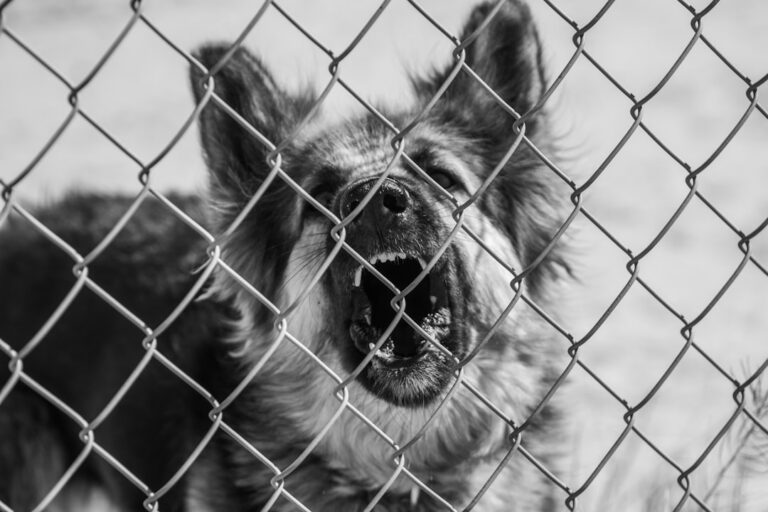
- Stress signals: Whale eye (showing whites), tucked tail, lowered body, yawning, lip licking, ears pinned back
When you see these signs, create distance immediately. Don’t wait for the full reaction. Prevention is everything in fear work.
Genetic Predisposition Changes Everything
If your puppy came from fearful parents, you’re playing a different game. These dogs aren’t blank slates—they’re genetically wired to see the world as scarier. I’ve worked with herding breed puppies from nervous mothers who needed six months of careful work to accept friendly strangers, while their bold-parent counterparts were confident in weeks.
This doesn’t mean they can’t improve dramatically—but expecting them to follow typical puppy socialization timelines sets everyone up for frustration. These dogs need triple the time and half the pressure.
Understanding these foundations changes everything. You’ll stop comparing your dog to others and start working with the dog in front of you.